

Real innovation in business starts not with technology, but with a clear understanding of the problem being solved. The most effective improvements often come from paying close attention to small, recurring frustrations and designing a direct solution for them. Complexity is not a measure of value. Attention is.
I was in South Korea recently when I noticed it.
Not the lighted pool at the hotel. Something else.
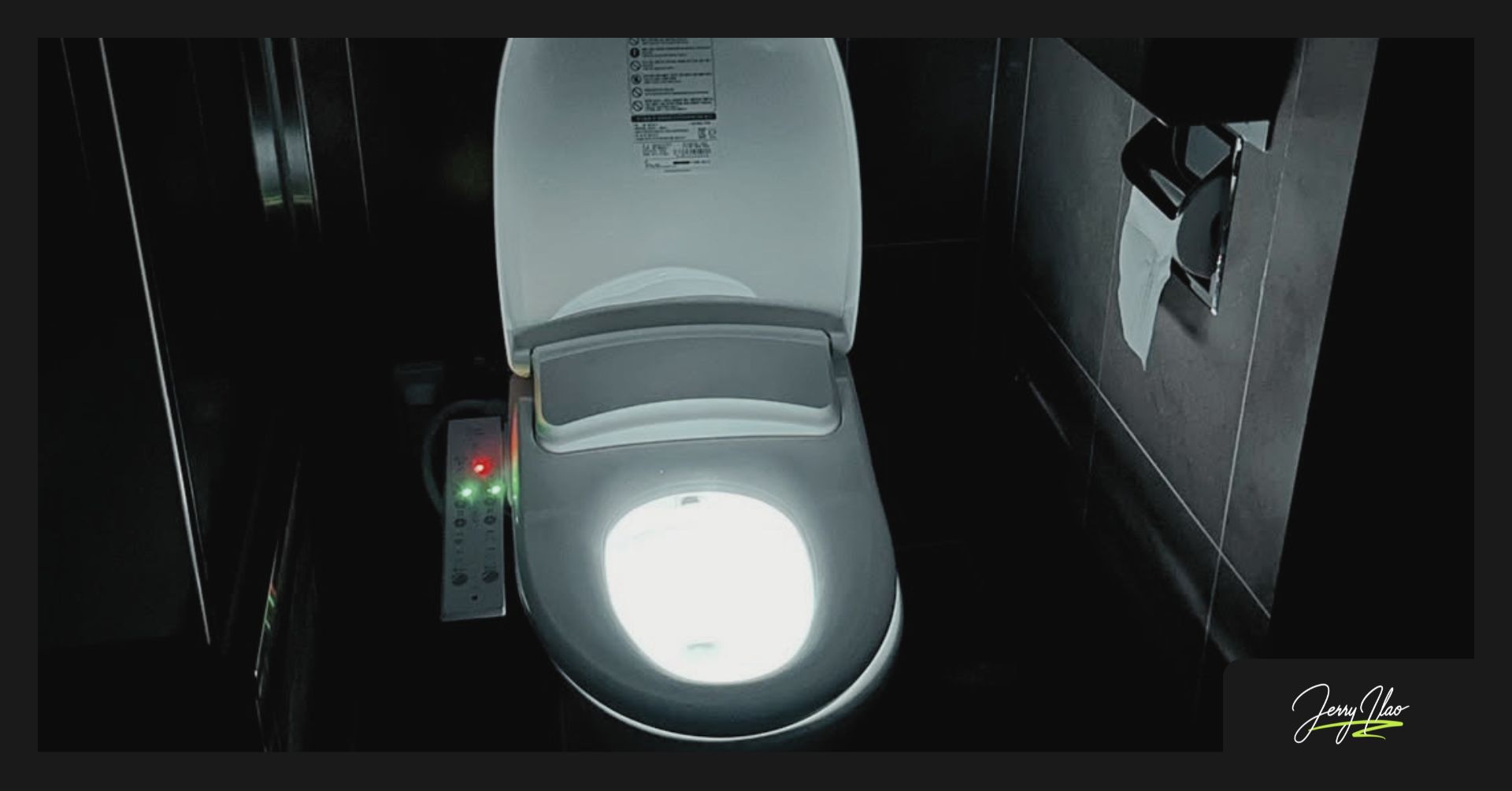
A toilet bowl that glows in the dark.
At first, I laughed. I took a photo. I thought about who approved the budget for this.
But then I used it at 2 a.m., half-asleep, and I understood immediately. You do not have to turn on the full bathroom lights. You do not jolt yourself awake. You find what you need, you go back to bed, and your sleep is barely interrupted.
It is a small detail. But it solves a real problem.
It is a simple innovation. But it is genuinely useful.
And that is still worth paying attention to.
We Have Built a Strange Idea of What Innovation Looks Like
In most conversations about innovation in business, the word arrives with a certain weight. It implies complexity. It implies big budgets, design sprints, AI algorithms, and product launches that get press releases. We have trained ourselves to associate innovation with scale, with disruption, with the kind of announcement that appears in a TechCrunch headline.
So when someone in a team meeting suggests something small — a slightly better form, a faster handoff between departments, a message sent at a different time of day — we tend to wave it past. It does not feel innovative enough. It does not look like it counts.
That instinct is costing us.
The toilet bowl does not have a machine learning model inside it. It has an LED and someone who paid attention long enough to ask: what actually bothers people about using the bathroom at night?
That question is the work. Everything else is execution.
The Most Overlooked Part of Innovation Is Observation
I have seen this show up in the companies I work with through Olern and PAIBA. The teams that move fastest — whether on AI adoption or on operational improvement — are not the ones who start by asking “what is the most sophisticated thing we can build?” They are the ones who start by asking “what is the most annoying thing our people do every day?”
One team I worked with was spending three hours every Friday generating a status report that nobody read in full. The report existed because it always had. Nobody had stopped to ask whether the format still matched what decision-makers actually needed.
We automated the generation and changed the format based on what recipients said they actually used. The three hours became fifteen minutes, and the recipients started reading it again.
That was not a complicated fix. It was an attentive one.
The same pattern appears in field operations. Teams using Tarkie to manage field staff often discover, after reviewing how people actually use the system, that a specific data entry step they assumed was simple is where agents consistently make errors or drop off. The fix is rarely a technical overhaul. It is a redesigned field form, a clearer prompt, a reduced number of required fields.
Paying attention to where the friction lives — that is what makes the fix possible.
Why We Keep Missing the Simple Innovations
There are a few reasons we consistently discount small, attentive improvements.
We conflate visibility with value. A shiny new platform rollout is visible. A better handoff process between your sales and operations team is not. But the handoff problem may be costing you more in delayed revenue and frustrated customers than any software subscription ever would. Visibility is not value. Value is what actually changes the experience for the person doing the work.
We are trained to pitch, not to observe. Business culture rewards people who bring proposals. Noticing is quiet. It happens during the work, not in the meeting about the work. We do not have enough institutional space for people who are good at paying attention. We hold brainstorms, but we rarely hold listening sessions. We schedule ideation workshops, but we rarely schedule a scheduled hour to simply watch how work actually happens.
Innovation has a branding problem. The word has been used so many times alongside “disruption” and “transformation” that it has started to feel like it belongs only to startups and R&D labs. But innovation in business, at its core, is improving something for the people who use it. That can happen at any scale, in any team, in any industry. The lighted toilet bowl belongs in a design conversation the same way any AI deployment does. The standard is the same: does this solve a real problem for a real person?
What to Do Differently Starting This Week
If you lead a team, here are four practices worth building into your regular rhythm.
Run a “what is annoying?” session. Ask your team: what is the one task this week that felt unnecessarily hard? Do not frame it as a brainstorm. Do not expect solutions. Just collect the annoyances. The list will tell you more about where innovation needs to happen than any strategy document. Run this monthly. The answers change as workflows change.
Look for the workaround. When people cannot do something the official way, they invent a workaround. They copy-paste from one system into a spreadsheet. They send a message on Viber instead of logging a ticket. They print a form they could have submitted digitally. Those workarounds are not bad behavior. They are a map of where the official process failed. Follow the workaround to the problem.
Separate the problem from the solution. Most innovation conversations jump to solutions within the first two minutes. Someone suggests a tool. Someone suggests a process change. But the problem is rarely understood well enough yet. Spend at least as much time defining what is wrong as you do proposing what to fix. A well-defined problem almost solves itself.
Watch someone do the work. Not a presentation about the work. Not a report. Actually watch, or ask a team member to walk you through their screen while they do the task. You will notice things they no longer notice because they have normalized the friction. That normalization is where small innovations hide.
These are not dramatic moves. But they build the habit of paying attention, which is the real foundation of sustainable innovation in business.
The Toilet Bowl Was Not an Accident
Someone, somewhere, made a deliberate decision to solve a specific problem in a specific way.
They did not start with the technology. They started with the inconvenience.
They did not ask what they could build. They asked what was bothering people at 2 a.m.
That is the part we keep skipping. Not because we are not capable, but because we are in too much of a hurry to get to the solution. We skip the observation. We skip the uncomfortable question. We go straight to the pitch.
Innovation does not always need to be big, high-tech, or flashy. Sometimes it just needs to be attentive. Understand the real problem. Take it seriously. Solve it in a thoughtful way.
That is what innovation in business actually looks like at its best.
What is one small, overlooked problem in your organization that a little more attention could actually fix? I would be curious what your team is seeing.
Frequently Asked Questions
What is the difference between simple innovation and complex innovation in business? Simple innovation solves a specific, observable problem with the most direct means available. Complex innovation typically involves building new systems, platforms, or products. Both have value, but businesses often over-invest in complex solutions before fully understanding whether a simple fix would accomplish the same outcome. The distinction matters because simple innovations are faster to deploy and easier to measure.
How do you find opportunities for innovation in business? The most reliable method is systematic observation of where friction exists in your current workflows. This includes running structured listening sessions with your team, tracking the workarounds people invent when the official process fails them, and watching team members actually perform the work rather than reviewing reports about the work. Friction and workarounds are the signals that direct you toward real innovation opportunities.
Why do businesses overlook small innovations? Organizations tend to reward proposals and launches more than observation and listening. This creates a culture where small, practical improvements are undervalued because they are less visible. Additionally, the word innovation has become associated with large-scale disruption, which makes smaller improvements feel like they do not qualify. Changing this requires intentionally creating space for attentive, problem-focused thinking alongside strategic planning.
Can AI tools help with observational innovation? Yes, in specific ways. AI can help analyze patterns in operational data to surface where errors, delays, or drop-offs cluster. Tools like Tarkie surface field data in real time, making it easier to identify where agents struggle or where processes break down in the field. The observation still requires human judgment about what matters, but AI accelerates the discovery of where to look.
What is the first step to building an innovation culture in a small team? Start with a regular “what is annoying?” session rather than a brainstorm. Ask your team to identify one task each week that felt unnecessarily hard, without asking for solutions yet. This builds the habit of noticing before proposing, which is the foundation of practical innovation. Over time, the team develops an instinct for finding and naming problems clearly before jumping to fixes.